Our Projects
Building infrastructure for healthier communities.
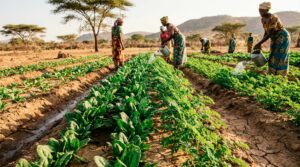
Nutrition & Community Gardens
Establishing 10 community-led vegetable gardens attached to nutrition centers to provide sustainable food sources for recovering families.
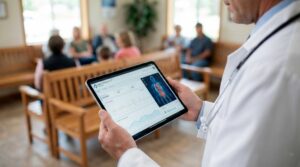
Digital Health Records Pilot
Transitioning 3 major district hospitals from paper-based records to a secure, tablet-based OpenMRS system for better patient tracking.
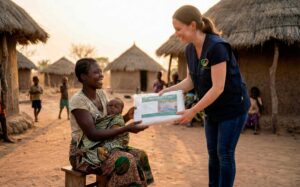
Net Distribution Campaign 2023
Distribution of 10,000 Long-Lasting Insecticide-treated Nets (LLINs) to pregnant women and children under 5 to prevent malaria.
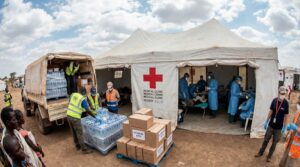
Emergency Cholera Response 2024
Rapid deployment of rehydration points and hygiene kits during the recent outbreak, treating over 2,000 patients and containing the spread.
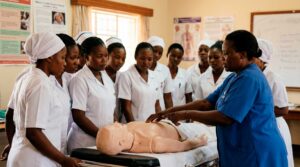
Advanced Midwife Training Program
A 6-month intensive residency program upgrading the skills of 50 local midwives in emergency obstetric care and neonatal resuscitation.
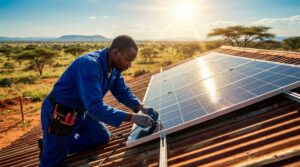
Solar Grids for 5 Rural Health Centers
Deploying photovoltaic systems in off-grid clinics to power refrigeration for vaccines and lighting for emergency night procedures.
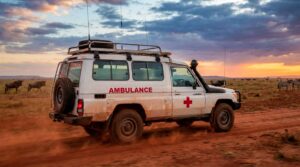
Expansion of Mobile Clinic Fleet
Launching two new 4×4 mobile medical units to bring prenatal care and vaccination campaigns to remote, off-grid villages in the Far North.
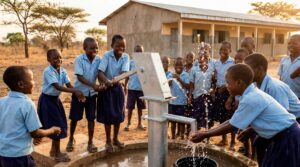
Clean Water Access for Kousseri Schools
drilling 5 deep-water boreholes and installing sanitary blocks in three primary schools to combat cholera and keep girls in school.
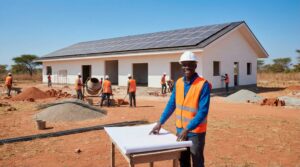
New Solar Maternity Ward in Maroua
Construction of a fully solar-powered maternity unit with 20 beds, ensuring 24/7 lighting and refrigeration for vaccines in a region plagued by power cuts.